Hand Foot and Mouth
Mouth Sores and Hand-Foot-and-Mouth Disease: When to Seek Care
An independent educational resource prepared by Mark M. Simonian, MD, FAAP
Sources checked: August 4, 2026 | Medical review completed: August 4, 2026
This page is for general education only and does not replace individualized medical advice. This resource does not establish a doctor-patient relationship. For questions about your own child, contact your child's current healthcare professional.
Magnolia Pediatrics, Valley Children's Healthcare
2497 E. Herndon Avenue, Suite 101, Clovis, CA 93611 | 559-538-3070
Mouth sores can make eating and drinking painful. The most important questions are whether your child can swallow fluids, is making urine, has trouble breathing or swallowing, and whether sores involve the eyes, skin, or genitals.
Urgent Warning Signs - Check This First
When in doubt about a life-threatening emergency, call 911.
CALL 911 NOW
Trouble breathing, blue or gray lips or face, a child who is limp or unresponsive, or you believe your child is in immediate danger
Rapid swelling of the lips, tongue, mouth, or throat with trouble breathing or swallowing, widespread hives, collapse, or another sign of a severe allergic reaction
A seizure, new weakness, sudden confusion, or a child who cannot be awakened normally
GET EMERGENCY MEDICAL CARE NOW
Unable to swallow saliva, persistent drooling with a muffled voice, neck swelling, obvious difficulty breathing, or a child who cannot open the mouth normally because of pain or swelling
Signs of significant dehydration: no urine for about 8 hours, very dark urine, a very dry mouth, no tears when crying, unusual sleepiness, weakness, or a child who cannot keep fluids down
Fever with severe headache, stiff neck, confusion, repeated vomiting, a purple or bruise-like rash, or a child who looks seriously ill
Painful sores of the mouth together with sores of the eyes or genitals, widespread blistering or peeling skin, or a rapidly worsening rash
CONTACT YOUR CHILD'S HEALTHCARE PROFESSIONAL TODAY
Mouth sores make drinking difficult, your child is drinking much less than usual, or you are concerned about dehydration even if an emergency sign is not present
Fever lasts more than 3 days, symptoms are severe, or symptoms have not started to improve after 10 days
A baby younger than 6 months has fever, mouth sores, poor feeding, or seems unwell
Your child has a weakened immune system, cancer treatment, a condition or medicine that affects immunity, or another reason infections may be higher risk
Severe gum redness or swelling, bleeding gums, sores on the outside of the lips, eye pain or redness, genital sores, or mouth pain that keeps returning
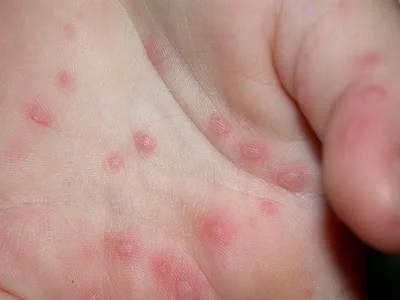
What Hand-Foot-and-Mouth Disease Can Look Like
Hand-foot-and-mouth disease (HFMD) is a common viral illness, especially in children younger than 5 years. It is usually mild and gets better within 7 to 10 days, but painful mouth sores can reduce drinking and lead to dehydration.
Fever, sore throat, reduced appetite, and feeling unwell may come first
Small red spots or blisters can develop on the tongue, gums, inner cheeks, roof of the mouth, or throat and can be painful
A rash or small blisters may appear on the palms, fingers, soles, buttocks, legs, arms, or around the mouth. Some children have only a few affected areas
Your child's healthcare professional can usually identify HFMD from the pattern of symptoms and examination; families do not need to determine the exact virus at home
Other Causes of Mouth Sores
Many illnesses and irritations can cause mouth sores. The urgency depends more on your child's breathing, swallowing, hydration, appearance, age, and other symptoms than on the name of the cause.
Other viral illnesses can cause painful ulcers in the mouth or throat, sometimes with fever and sore throat
Cold sores caused by herpes simplex virus can affect the lips or gums, especially during a first episode. A clinician should assess a young child, severe pain, eye symptoms, or trouble drinking
Canker sores, a bitten cheek or lip, irritation from food or dental appliances, and some medicines can also cause localized mouth pain
Strep throat often causes sore throat and fever but usually does not cause mouth ulcers. A clinician can decide when testing is useful
Safe Comfort Care at Home
Home care is appropriate only when there are no warning signs, your child is alert, and they are able to drink enough to stay hydrated.
Offer frequent small sips of cool fluids. Continue breast milk or formula for infants. Cold liquids, ice pops, or soft foods may be easier to tolerate
Avoid acidic, salty, spicy, or very hot foods and drinks if they sting. Do not force solid food; fluids are the priority
Use acetaminophen or ibuprofen only as directed by your child's healthcare professional or the product label for the child's age and weight. Do not give aspirin to children or teenagers unless a healthcare professional specifically directs it
Do not use regular mouthwash because it can sting. Avoid numbing gels, sprays, or adult mouth products unless your child's healthcare professional specifically recommends them
Wash hands carefully after diaper changes and contact with saliva, mucus, or blister fluid. Clean frequently touched toys and surfaces, and do not share cups, utensils, towels, or toothbrushes
School and Child Care
A child may return when fever is gone, they feel well enough to participate, and the program can manage any drooling or open blisters. Follow the child care or school policy and local public-health guidance, which can differ during an outbreak.
Call Preparation
Child's age, when the illness started, highest temperature and how it was measured
How much your child has had to drink, when they last urinated, whether there are tears when crying, and any vomiting or diarrhea
Where the sores or rash are located, whether there are blisters, eye or genital symptoms, and whether swallowing or breathing is difficult
Medical conditions, medicines, immune-system concerns, and known illness or child-care exposures
Related Guides
Sources and Medical Review
Centers for Disease Control and Prevention, HFMD Symptoms and Complications: Read source
HealthyChildren.org (American Academy of Pediatrics), Hand, Foot & Mouth Disease: Symptoms, Treatment & Prevention: Read source
HealthyChildren.org (American Academy of Pediatrics), Coxsackievirus Infections in Children: Read source
HealthyChildren.org (American Academy of Pediatrics), When a Sore Throat Is a More Serious Infection: Read source